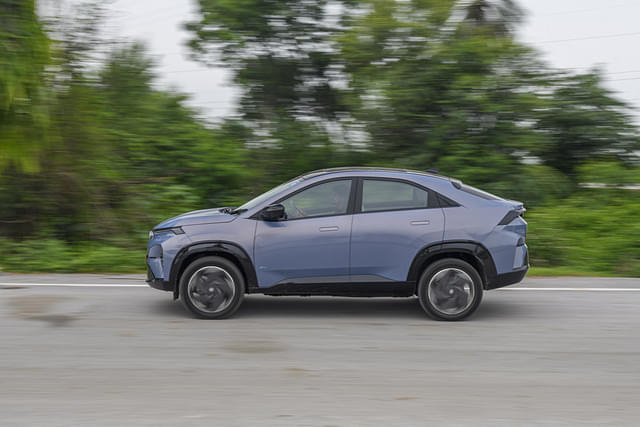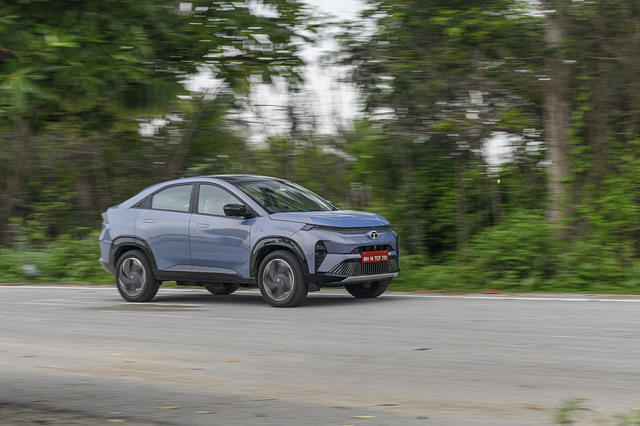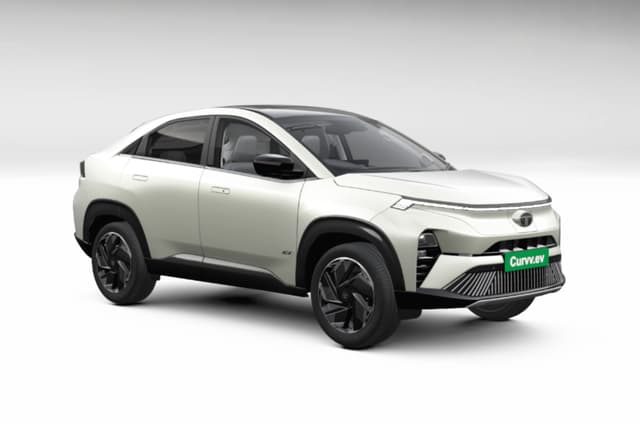

Tata cars in India (21)
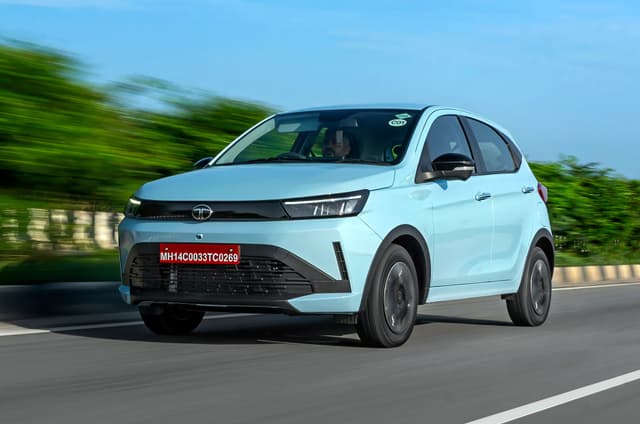
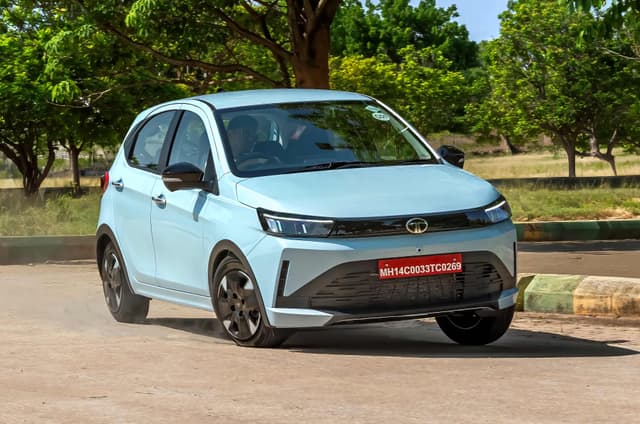
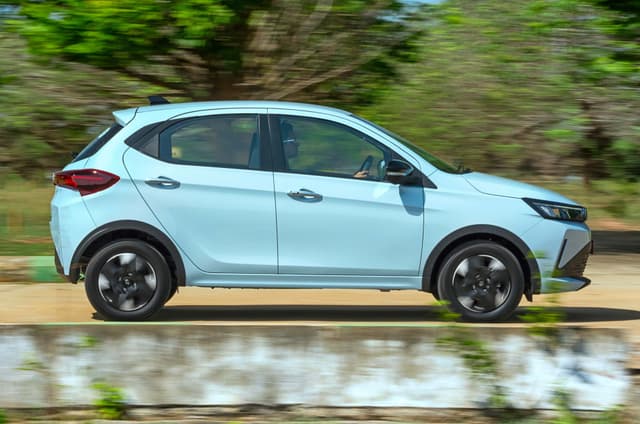
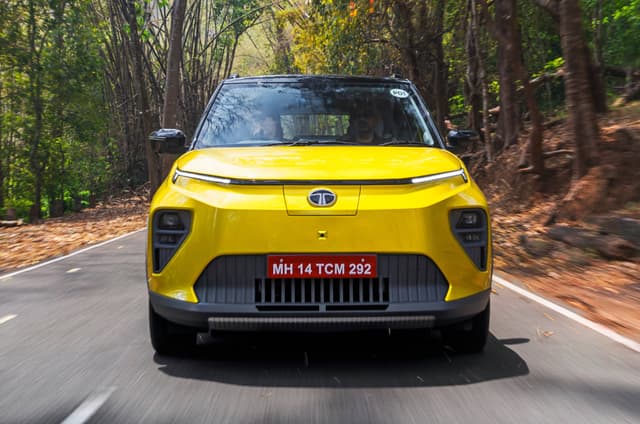
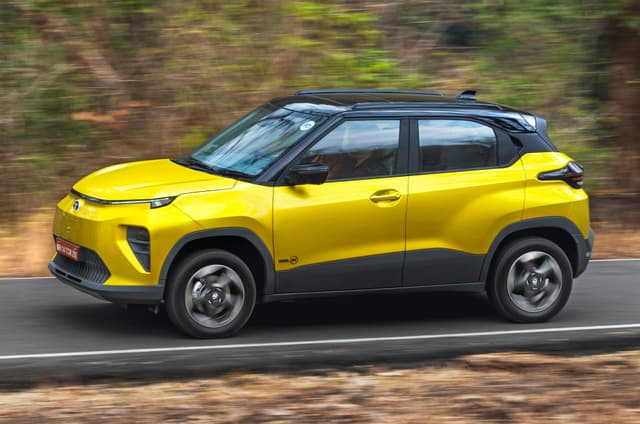
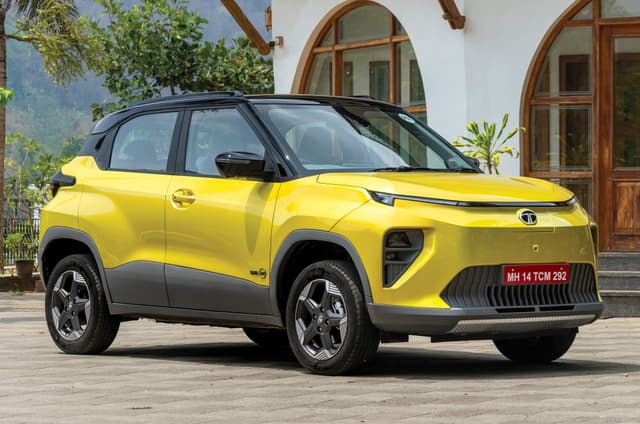
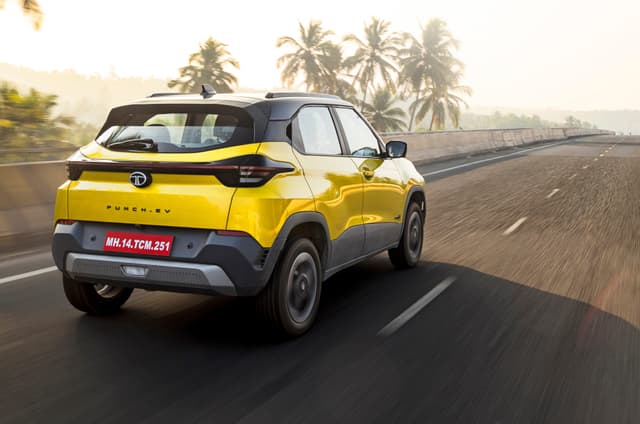
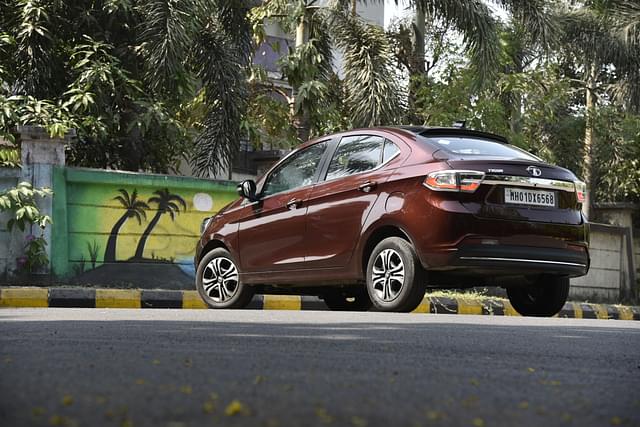
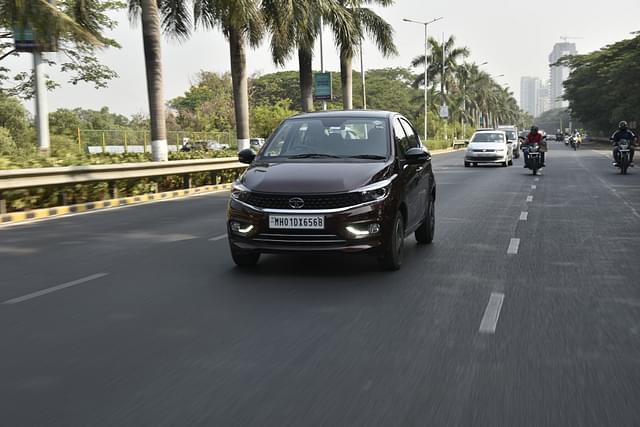
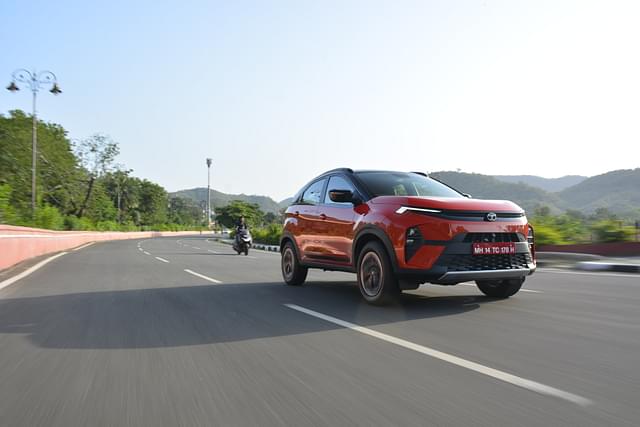
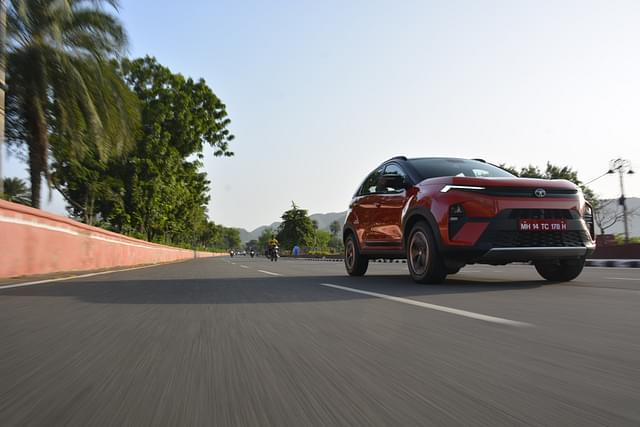
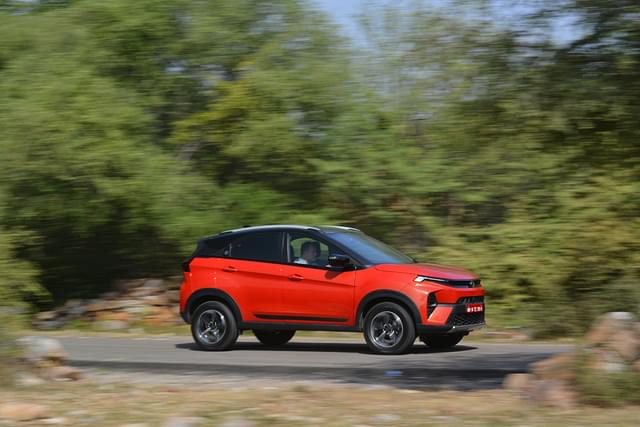
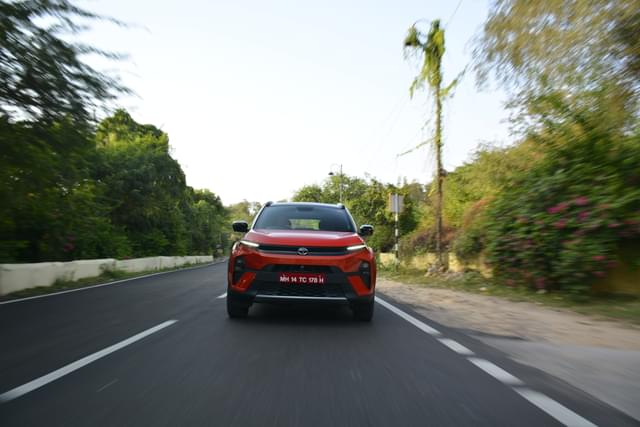
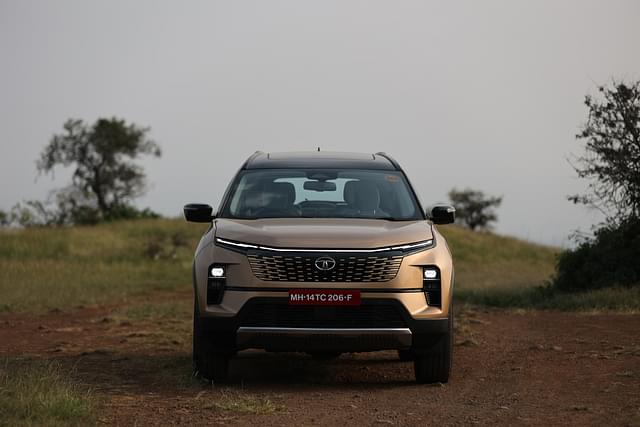
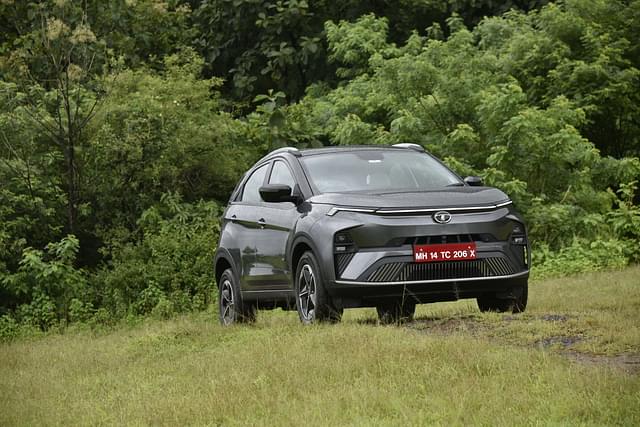
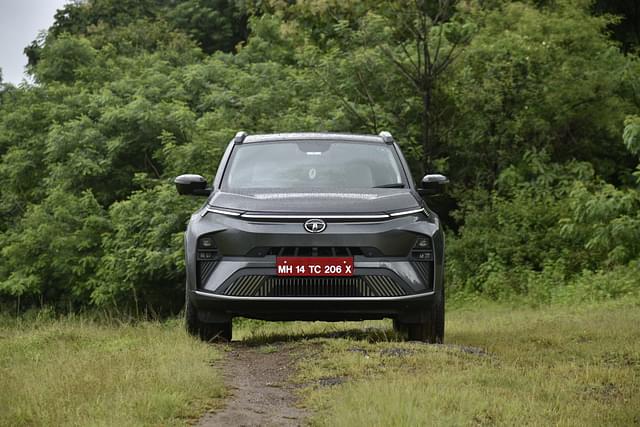
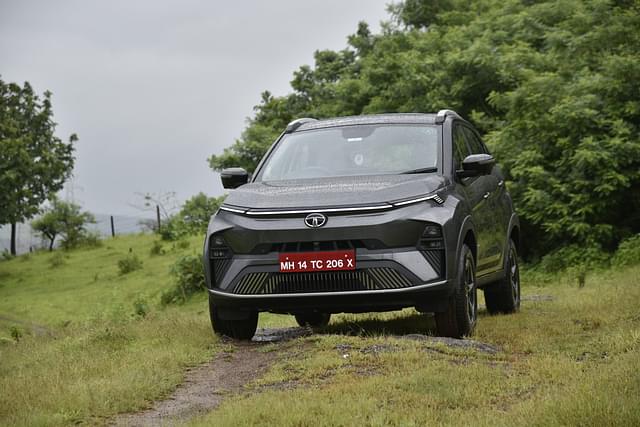
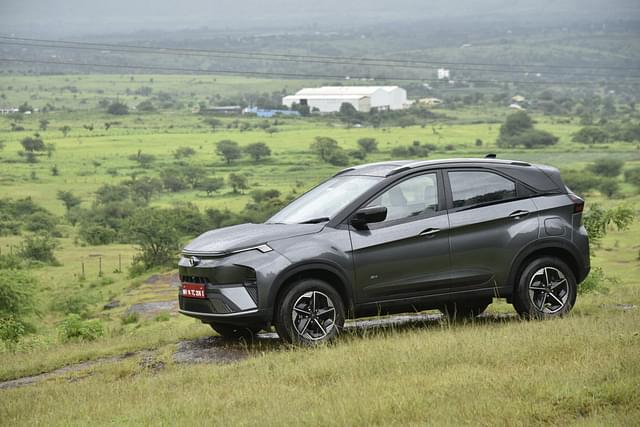
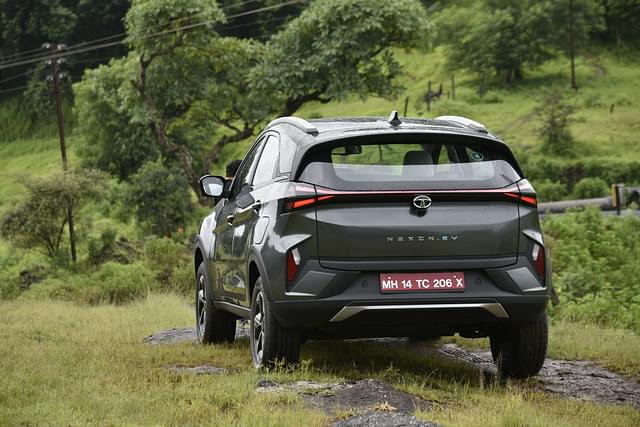
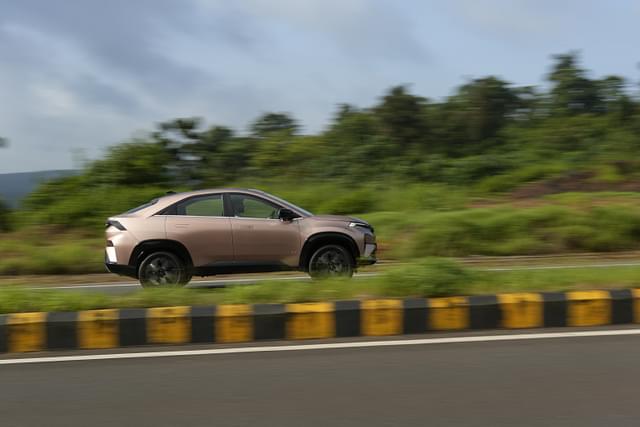
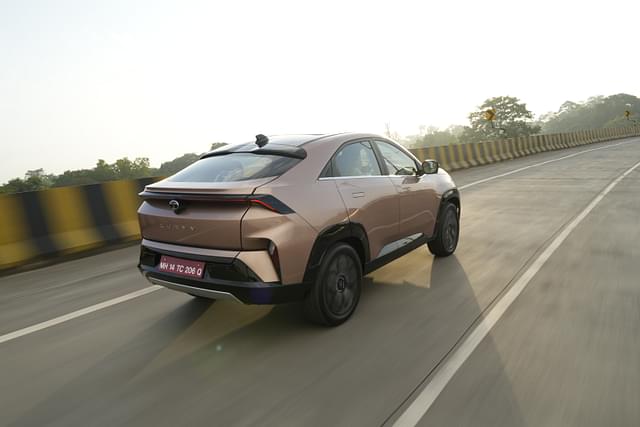
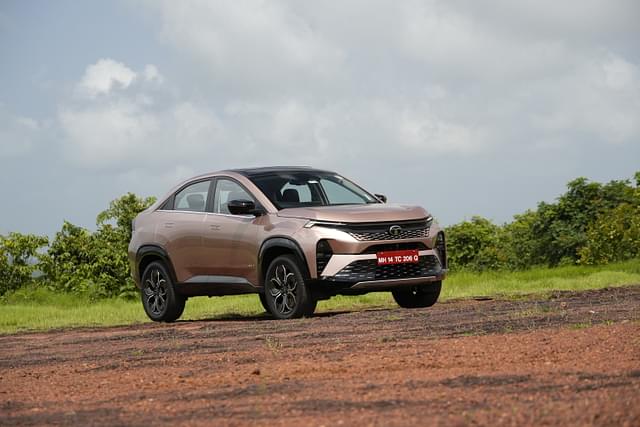
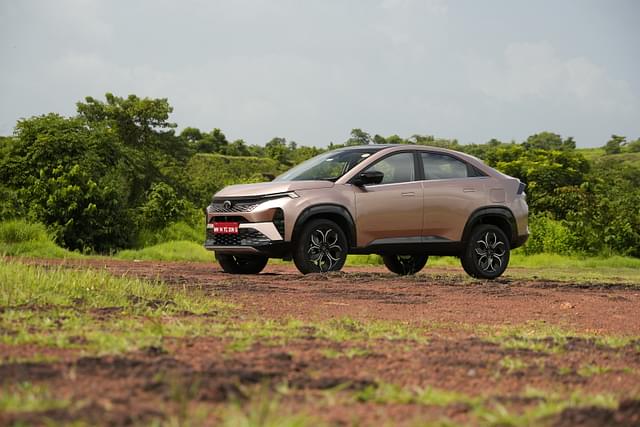
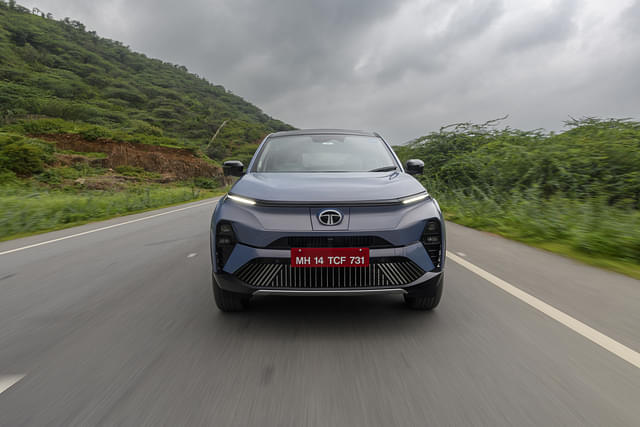
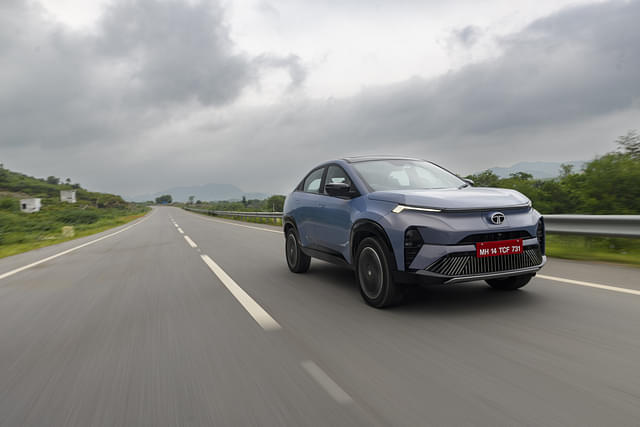
Headquartered in Mumbai, Tata Motors was established in 1945 and entered the passenger vehicle market in 1991 with the Sierra. It later introduced the Indica in 1998 and the Nano in 2008, the world’s most affordable car. Today, Tata offers models like the Altroz, Punch, Nexon, Harrier, and Safari with 5-star Global NCAP ratings, and also leads India’s EV segment with the Tiago EV, Tigor EV, Nexon EV, and Punch EV. As of July 2026, there are 21 Tata cars available in India: 15 on sale and 6 upcoming. The current Tata lineup includes 3 hatchbacks, 2 sedans, and 10 SUVs. The Tata car price starts at Rs 4.69 lakh and goes up to Rs 28.99 lakh in India (ex-showroom, Delhi).
Tata Cars in India - Latest Updates (July 2026)
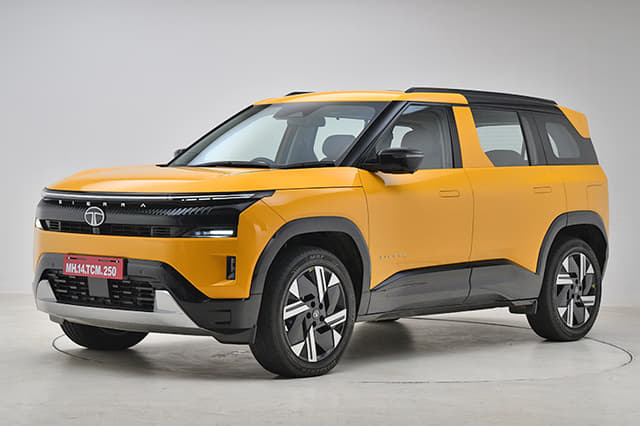
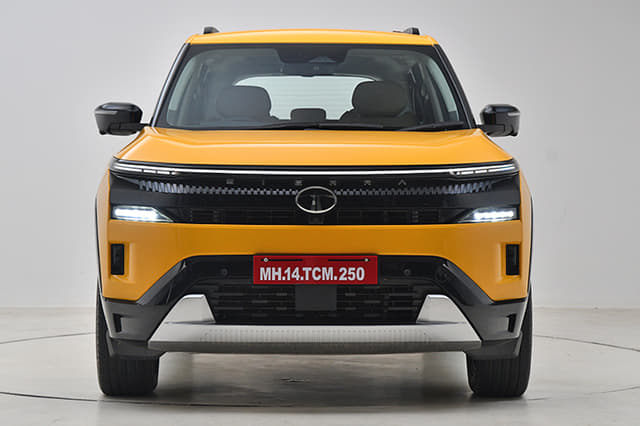
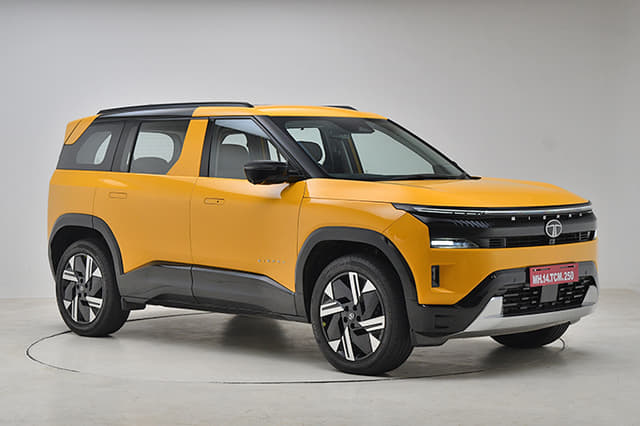
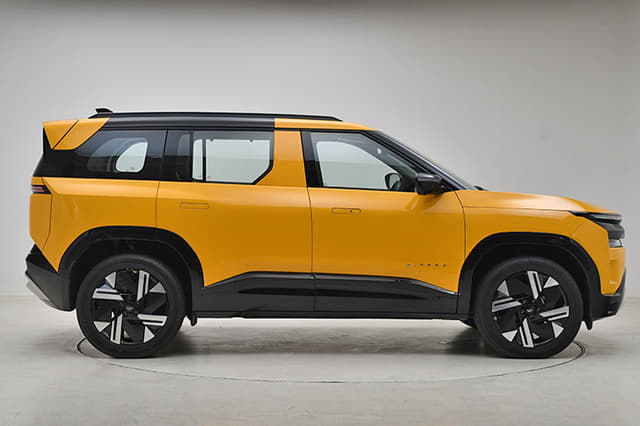
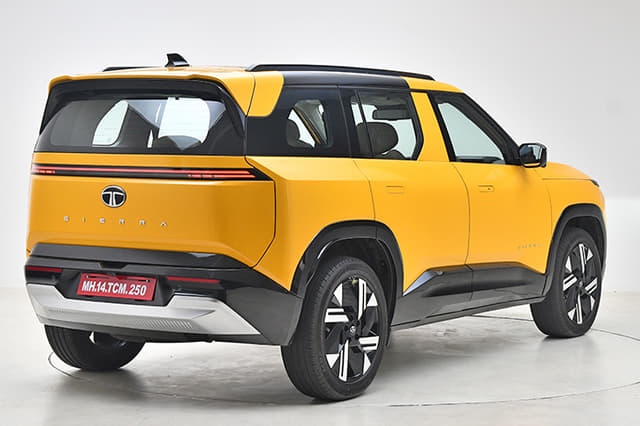
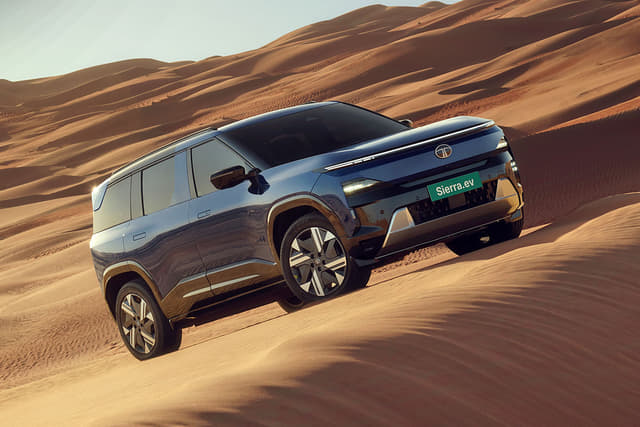
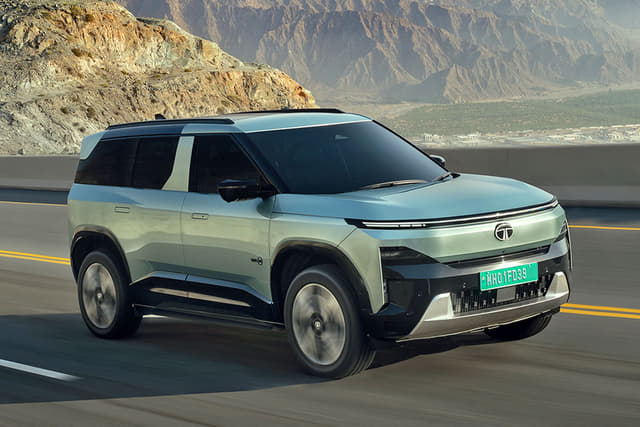
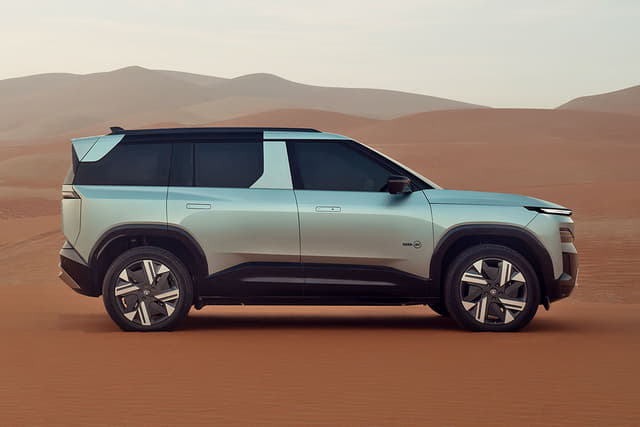
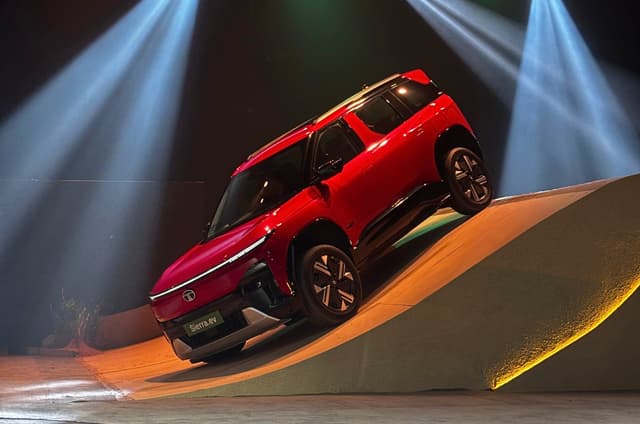
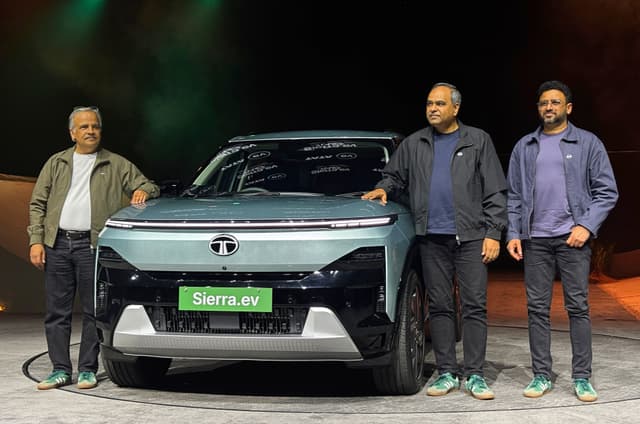
- 30 June 2026: Sierra EV launched at Rs 18.79 lakh (ex-showroom)
- 24 June 2026: Tata Motors unveiled the Sierra EV's exterior design
- 24 June 2026: Tata Motors is set to expand its passenger vehicle range from the current nine models to 15 by FY2031
- 8 May 2026: Tata launches Nexon Pure+ PS variant with sunroof at Rs 9.59 lakh
- 29 April 2026: Tata Motors files 144 commercial vehicle patents in FY26
- 12 April 2026: Tata is offering benefits of up to Rs 3.45 lakh on the Curvv EV in April 2026
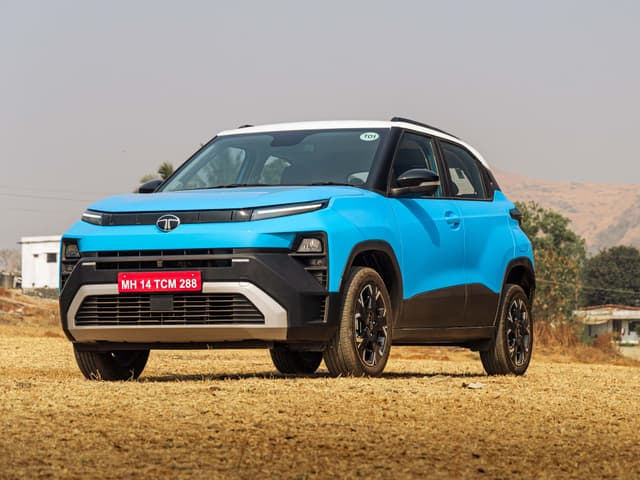
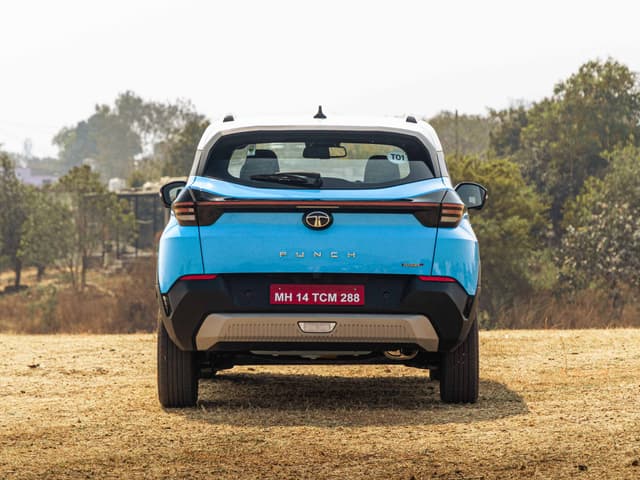
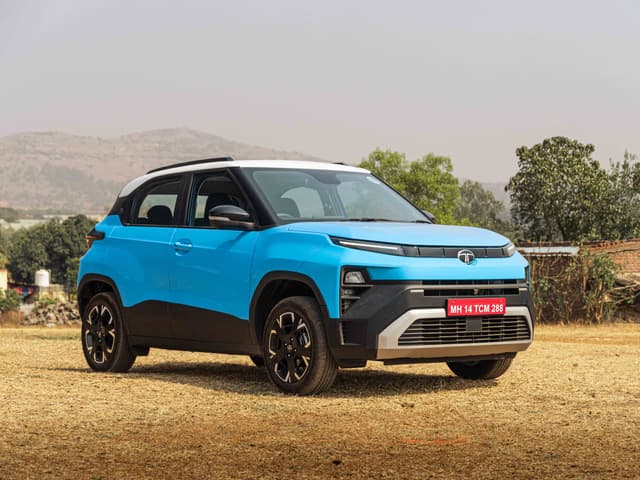
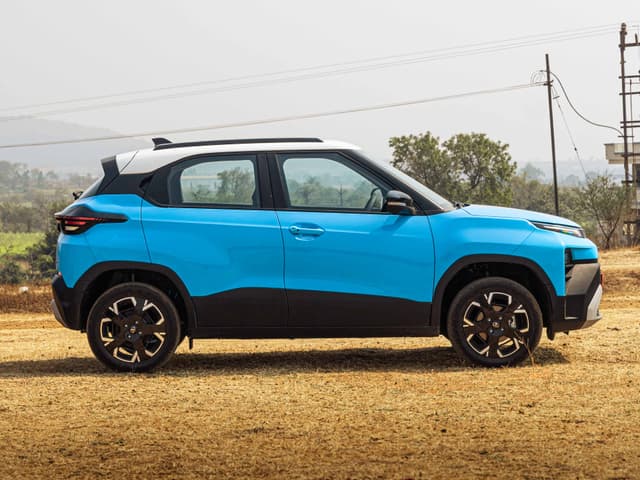
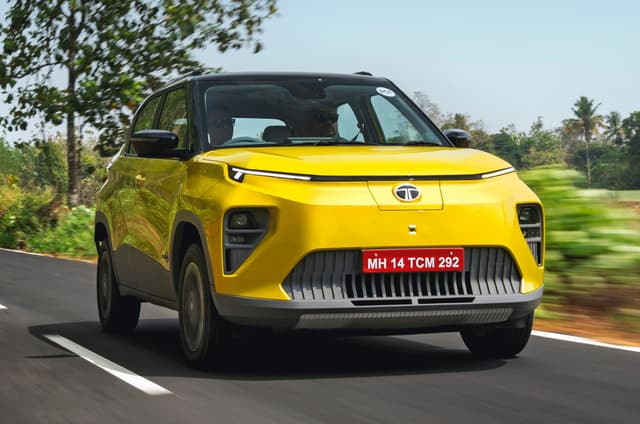
- 13 January 2026: Tata has launched the Punch facelift at Rs 5.59 lakh
- 5 January 2026: Tata has revealed the 2026 Punch ahead of its January 13 launch, and it will feature a turbo-petrol engine for the first time


Filter your search
Filter your search
FAQs
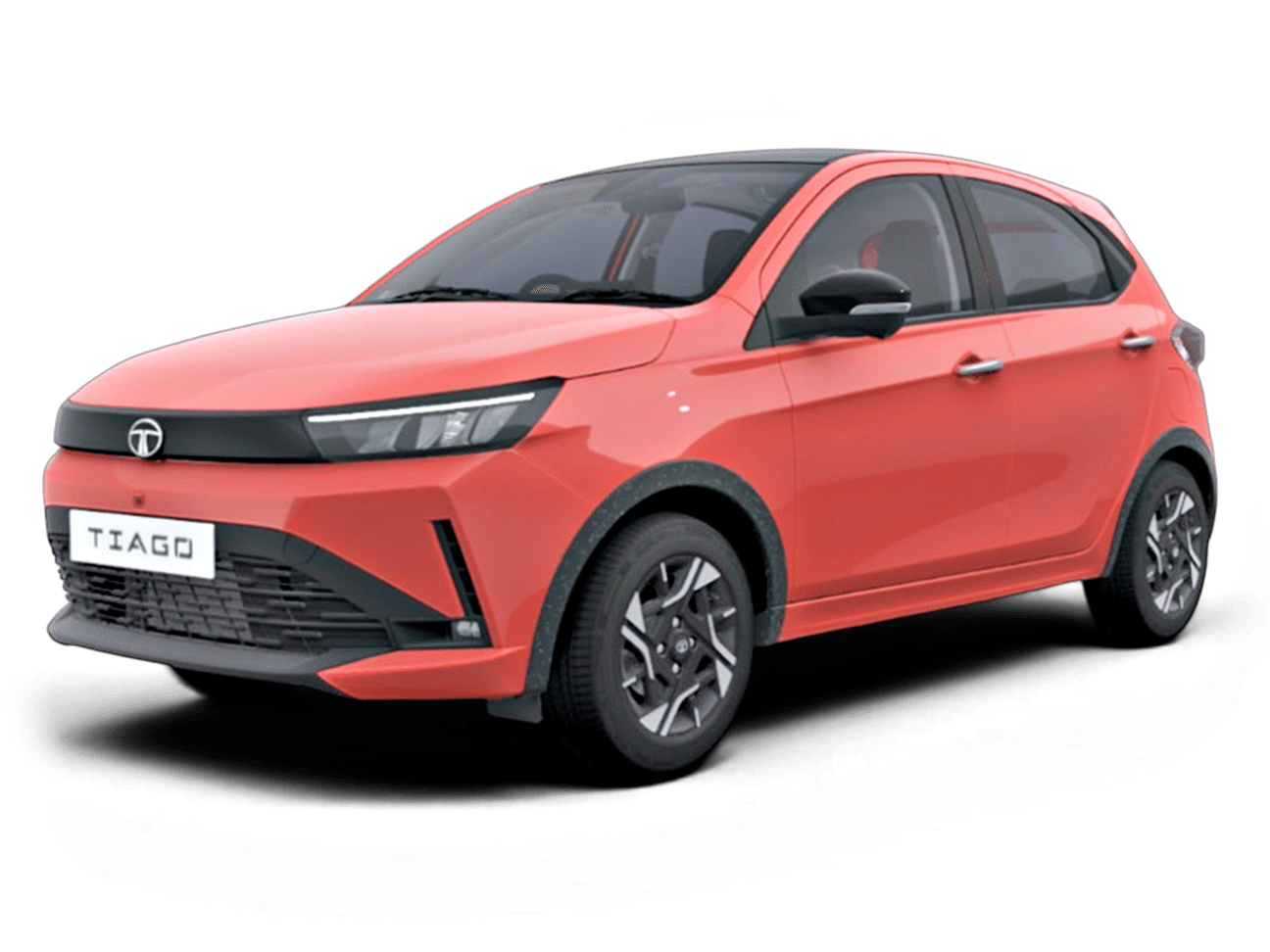
The Tata car price in India starts at Rs 4.69 lakh (ex-showroom, Delhi) for the Tiago.
In 2026, Tata Motors has 15 cars on sale in India, with six more set to join the line-up.
The most popular Tata cars in India are the Punch, Nexon, Harrier, Tiago, and Altroz.
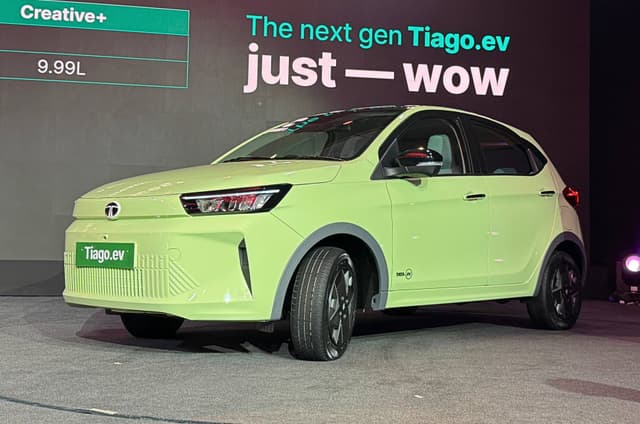
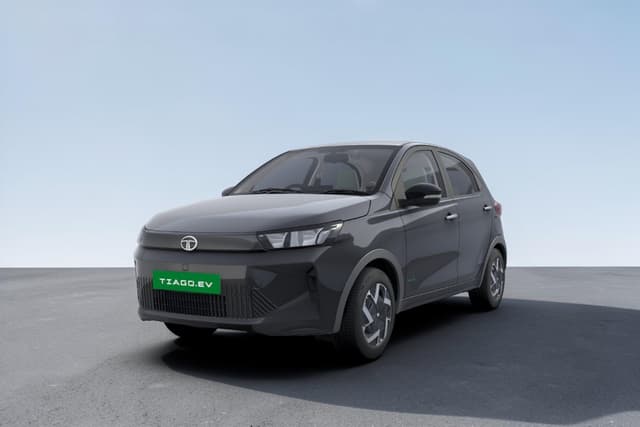
The Tata electric car price in India starts at Rs 6.99 lakh for the Tiago EV and goes up to Rs 28.99 lakh for the Harrier EV.
The upcoming Tata cars in 2026 are: Safari EV, New Nexon, Tigor EV and Tigor ICE facelift.
The Tata Punch is among the best-selling Tata cars in India.
Tata cars like the Nexon, Altroz, Punch, Harrier, Safari, Punch EV, Nexon EV, Harrier EV, Curvv EV, and Curvv come with a sunroof.
The Tata Tiago, Tigor, and Nexon are popular choices for middle-class families. These Tata cars offer safety, comfort, and value.
Trending Questions on Tata Cars - Answered by Autocar Experts
I want an SUV-styled CNG car and am confused between the Nexon CNG and Exter CNG. I have taken a test drive of both. The Exter felt easy to drive, had smooth gear shifts, was silent, and I loved its driveability. The Nexon's gear shift felt a bit notchy and not as easy for city driving, but I loved its suspension, comfort, and looks. I'm buying the car for high-kilometre usage. I have an Aura CNG, which I've driven for 2 lakh km and it is still in A1 condition. I'm expecting the Exter CNG to be the same. I don't have much experience with the Nexon. I have concerns about the Nexon's long-term reliability for 3 lakh km over the next 5 to 6 years, as well as the service experience since there is only one dealership and service centre in my city, Bareilly, which has a population of over 13 lakh. My priorities are comfort, easy maintenance, long-term reliability, and no unexpected maintenance.Can the new Nexon deliver all this? Or should I stick to my safe option, the Exter?
Stick with the Exter CNG, you liked its easy drive, light clutch and smooth shifts - that matters every single day in traffic. You also already have a good experience with Hyundai’s CNG with your Aura and so you can expect much the same experience with the Hyundai and keeping it healthy to 3 lakh km is realistic without surprises. The Nexon CNG is tempting for comfort and looks and yes the ride is better too, but Tata Motor's dealer network quality varies a lot from city to city and with your plan of keeping it for quite a few years and clocking 3 lakh kms you will need a good proven dealer support which may not be the case with the Tata dealer in your area. Go with the Nexon only if you are absolutely confident of the dealer reputation, else stick with the Exter.
I am planning to buy a new car for the first time in my life. My budget is a maximum of 12L. I prefer an SUV with wide-opening doors, being 60 years of age. My average journey per day would be 15-20 kms. Please advise which car would be better suited for me.
Go for the Tata Punch automatic. Its doors open almost 90 degrees, and the seat is at a friendly height, so getting in and out at 60 is genuinely easy. For your 15-20 km city runs, it is compact, has light controls, and rides over bad patches without fuss, so you will feel less tired. It also sits higher than most small cars, which helps with visibility and confidence.It fits your Rs. 12 lakh cap in mid trims, and you do not have to stretch for basics like rear sensors and a camera. Running costs are sensible too since it is a simple petrol.One thing to know: the automatic is not the smoothest when crawling in traffic, and the engine feels just okay on fast highways. If you value a silkier automatic more than the super-wide doors, the Nissan Magnite with the CVT also sits within budget, but its doors are not as wide as the Punch's.
I use my car for a daily commute of 20-30 km, and we rarely travel outside the city, only once every few months. Should I buy an EV, a hybrid, or a petrol car? My budget is Rs. 15-18 lakh.
Buy an EV if you have a parking spot with a plug, because your 20-30 km daily run is exactly what EVs are best at. You will top up at home once or twice a week, spend far less than petrol, and enjoy a quiet, easy drive in traffic. Since you rarely go out of town, the odd highway trip can be planned around chargers, or you can just borrow or rent a petrol car when needed. In your budget, Tata Punch EV and Tata Nexon EV fit well.If home charging is not possible, buy a simple petrol automatic and skip hybrids. With your low running, the hybrid premium takes ages to recover, and most strong-hybrid trims that make sense cross Rs. 20 lakh on-road. Good petrol picks around Rs. 15-18 lakh are Honda Elevate, Hyundai Creta, Kia Seltos, Skoda Kushaq or VW Taigun. They will be easy in the city and stress-free for the rare road trip.
Dear Autocar Team, I am looking to replace our household’s trusty Maruti Suzuki Swift AMT model. This vehicle serves strictly as our secondary car, and its duties are entirely urban: daily school runs, grocery trips, and the occasional trek across the city. It will not see any highway use. Given that city traffic is notorious for tanking the fuel efficiency of petrol cars, I am wondering if shifting to an EV makes sense. I have been looking closely at the Tata Punch EV as a potential replacement. Could you please advise on the following: 1. For an exclusively urban, low-to-medium mileage use-case, is an EV truly recommended over traditional ICE automatic models, and will it be economically viable in the long run? 2. How does the Punch EV fare as a pure city commuter in terms of real-world range, ease of driving in traffic, and long-term reliability? Are there specific variants you recommend? 3. Are there any other petrol, automatic or EV alternatives in this segment that I should consider before making my decision?
Yes, switch to an EV if you have a fixed parking spot where you can install a home charger - for a pure city, second car, the Tata Punch EV fits best. Stop-go traffic is where EVs save the most, and with low maintenance and cheap electricity, the math works out over a few years. If you cannot charge at home, skip the EV idea.As a city commuter, the Punch EV is easy. Light steering, smooth creep, strong regen that lets you use the brake less, and ground clearance for bad roads. In real use, the Medium Range handles a typical week of school runs and errands on a single charge; the Long Range provides more buffer if others in the family do longer loops. Tata’s EVs have held up well so far, and support is wide. For variants, pick the Medium Range if your daily running is short and you can top up at home; choose the Long Range only if you want to charge less often. The 7.2 kW home charger is nice to have, not a must-have.Also, look at the Tata Tiago EV for a lower price, and the MG Comet if you want something compact. If you stay petrol, the Hyundai i20 IVT or Amaze CVT automatics are the easiest city alternatives.
I am planning to buy a car for my wife, who has just learned to drive. The purpose of the vehicle will be mainly city driving. I will need an automatic transmission. While I am ok with petrol, there have been news of denial of warranty for E20 petrol, and I don't want to suffer that. Meanwhile, I also don't want to spend much. Any suggestions on which cars should be on my list? I do have my own parking, and there is no issue with society regarding providing a charging station in the parking.
Get the Tata Tiago EV - it removes the E20 petrol worry completely, is the easiest automatic to drive in traffic, and keeps costs low. Its small size and light controls make it friendly for a new driver, parking is simple, and home charging in your own parking is exactly what works best. Running costs are far lower than petrol, and there’s no gearbox hassle or engine heat in stop-go city use.If you want something a bit taller with more range, look at the Tata Punch EV - still easy, just pricier. If you want the tiniest city tool and don’t carry rear passengers much, the MG Comet is super compact, but it has two doors and a tiny boot. If you must stick to petrol, consider Maruti Baleno automatic or Hyundai Exter automatic - both are E20 compliant, so warranty worry should be minimal - but they’ll cost more to run than an EV in the city.
Hi all, I’m planning to upgrade my 2013 Hyundai i10 to a stronger and safer vehicle. I live in Pune and plan to take monthly long-distance trips. My initial choices were the Kia Seltos and Renault Duster, but concerns about E20 or higher petrol blends have made me reconsider buying a pure petrol car. As a result, I’m now considering EVs. The Tata Punch.ev top model seems like an excellent value proposition, but is it a sensible choice for long-distance highway trips, such as Pune to Hyderabad or Goa? I would appreciate your insights and recommendations. I usually travel with my wife and occasionally with a full load.
For long drives from Pune to Goa or Hyderabad in any EV, you will be required to quickly charge once along the way, to reach your destination comfortably, without any range anxiety. The Punch EV is an excellent choice - it is compact, value-for-money, and its real-world range of over 300km is rather good. Kia will be launching the Syros EV in the coming weeks. The Syros is surprisingly spacious, interior quality is top-notch, and going by the Clavis EV's efficient and smooth powertrain, the EV version of the Syros will certainly be worth considering. Go for the EVs only if you can arrange for home charging. If not, then the Kia Seltos will be our pick. It is comfortable, spacious, feature-rich, and the petrol is smooth, refined and more efficient than the Renault Duster. The Duster's ride-handling balance is outstanding and its boot is larger than the Seltos too, however the Kia comes across as the more rounded option.
I intend to buy an SUV with AWD, a peppy engine, and seating for five, with a generous boot. I'm also open to a seven-seater, as I can keep the third row folded when not in use. I would prefer a comfortable suspension setup, ideally with a multi-link independent suspension. I'm slightly inclined towards an EV, but only if its software is highly reliable, as I don't want to deal with breakdowns or roadside assistance due to software issues. My current shortlist includes the Tata Sierra EV QWD and the Mahindra XUV 7XO Diesel AWD. My annual running is around 5,000km in the city and 6,000-7,000km on highways. Kindly suggest the most suitable SUV for my needs.
Pick the Mahindra XUV 7XO diesel AWD. With your highway-heavy use and worry about EV software stranding you, the diesel AWD is the safer long-trip tool, gives strong torque for quick overtakes, and you are free from charging stops or app glitches. It also answers your hardware questions - the AWD for grip and an independent rear suspension that keeps it stable and comfy on rough patches. The XUV 7XO comes only as a 7 seater, but you can keep the third row folded for a big, usable boot.The Tata Sierra EV is tempting, and its AWD version will be quick and quiet, but early EV software performance can still be hit-or-miss, so it's perhaps better to wait a bit.Moreover, since you have quite a lot of highway driving in your mix, an electric car, even with a range as healthy as the Sierra's, is not the ideal choice. Conversely, since you have a good mix of city and highway driving, the diesel engine in the Mahindra car will get enough of a workout to keep the DPF regenerated as required.
Hi, I have been using the Hyundai Creta SX(O) diesel for the past seven years. I drive about 500 km on weekends, mostly on highways. I am planning to buy an SUV by the end of this year in the Rs. 25 lakh price range. I like the VW Taigun, Kia Seltos, and Tata Sierra. I prefer performance over mileage. Kindly suggest.
Based on your usage, we'd recommend the Volkswagen Taigun GT 1.5 TSI DSG.Covering around 500km on most weekends, primarily on the highway, and prioritising performance over fuel efficiency, the Taigun is the most engaging SUV on your shortlist. The 1.5-litre turbo-petrol engine is strong and refined, while the DSG gearbox complements it beautifully, making it a genuinely enjoyable car to drive. It also has excellent high-speed stability and feels more involving than both the Seltos and the Sierra.One SUV that isn't on your shortlist but is well worth considering is the Mahindra XUV 7XO. While your Rs. 25 lakh budget won't get you the absolute top variant, it will still buy you a well-equipped model that feels like a significant upgrade over your current Creta. It offers a spacious cabin, strong performance and a more premium overall experience.
I currently own a Hyundai i20 petrol, and my daily running is around 140 km. I am planning to buy an EV. Which one would be the best choice for Indian conditions, especially village roads?
Pick the Tata Nexon EV for your use. It will comfortably cover your 140km daily run on a single charge, with a real 250-300 km range, and its high ground clearance and tough suspension handle broken village roads without scraping. Tata’s service reach and roadside help are the best among mass EVs here, so support in smaller towns is easier. It is not the quickest to fast charge, and the ride can feel a bit busy on sharp ruts, but it takes abuse well.On a tighter budget, the Tata Punch EV also works for 140 km days if you charge at home every night.
I have a budget of around Rs. 10 lakh and want to buy a good-looking SUV with a CNG option, good features and strong fuel efficiency. Which one would you recommend?
Get the Tata Punch iCNG. It fits your Rs. 10 lakh budget, looks like a proper small SUV, and the factory CNG keeps running costs very low. Tata’s twin-cylinder CNG tanks free up more boot space than other CNG SUVs, so your luggage will still fit. It rides well over bad roads, and the higher seat makes city driving easy. Pick a mid variant, and you still get the basics you want, like touchscreen with Android Auto, steering controls, rear camera, and decent safety kit.Do note that the CNG version feels slow, especially with a full load or on highways. But for your use case, the Punch iCNG is the most balanced choice.
Last Updated on: 10 Jul 2026